Five Names, Three Ovations, One Shift: How the Zinetti 2026 Finals Rewrote the Scoreboard
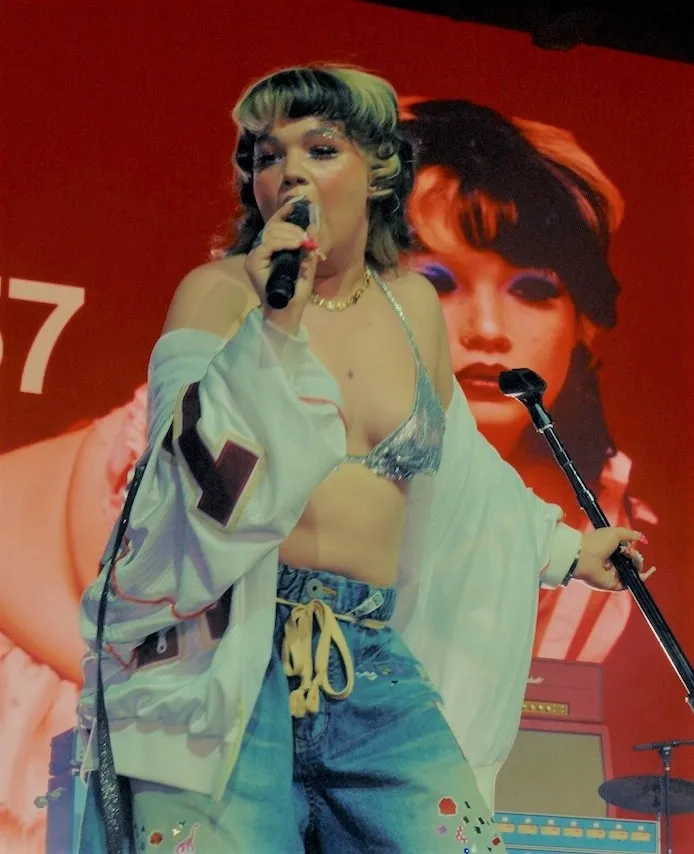
Photo: Jamsterdodger, CC0, via Wikimedia Commons
On a rain-slick Saturday night in Chicago, the Zinetti Competition 2026 finals turned a familiar question—who wins?—into a more interesting one: what makes a stage moment stick? By the time the last entrant left the Harborlight Theater stage, the judges had logged five breakout performances, three standing ovations, and a scoring shift that felt bigger than any single trophy.
The Five Who Broke Out
Maya Ellison, a 17-year-old singer-pianist from Nashville, opened the second half with an original ballad called 'County Line.' She did not oversing it. Instead, she let the room hear the room. Devin Cho, 19, from Los Angeles, followed with a cello-and-loop-pedal piece that built from a single pizzicato note into a wall of harmony. The Rookery, a four-piece all-ages band from Portland, Oregon, turned a midtempo indie tune into a crowd clap-along. Amara Okafor, 16, from Atlanta, delivered spoken word with the timing of a stand-up comic and the weight of a eulogy. And Jonah Reyes, 18, from San Antonio, closed the night with a jazz-guitar arrangement that made a standard sound like a question.
Those five names dominated the post-show chatter, but only three earned standing ovations: Ellison, Cho, and Okafor. The ovations were not just applause. They were data points.
The Scoreboard Tells a Different Story
Zinetti's finals rubric has four weighted columns: technical execution, originality, audience connection, and narrative risk. In past finals, technical execution often carried the day. This year, the spread between first and fifth place was 3.8 points—the narrowest margin in the competition's recent memory—and two of the top three entrants lost points on technique while gaining them on connection.
Head judge Celia Tran said the shift was not accidental. 'We heard fewer flawless runs and more intentional choices,' Tran said backstage. 'A clean scale is lovely. A clean scale that means something is why we are here.'
The clearest example came from Okafor. Midway through her poem 'Southbound Apology,' she stopped. For roughly eight seconds, she looked at the back of the room, breathed, and then delivered the final line. The pause did not cost her. It moved one judge's audience-connection score from a 7 to a 9, and her weighted total jumped by 1.7 points. She finished third overall.
'That pause was rehearsed,' Okafor said afterward, laughing. 'I practiced it in my kitchen until my mom said, Okay, we get it. But onstage it felt new. That is the trick. You rehearse the silence so you can trust it.'
Backstage, the Real Work Happens
The finals were not only a performance night. They were a pressure test for preparation routines. Ellison said she spent the afternoon walking the stage in her performance shoes, marking every cable and sightline. Cho ran his loop pedal through a backup power strip twice. The Rookery's drummer, 16-year-old Sam Ibarra, taped a setlist to the floor tom.
'You would be surprised how many entrants lose focus because they are thinking about where to stand,' said stage director Marcus Vale. 'The standouts eliminate small decisions before the lights come up.'
That practical layer matters for future competitors. Zinetti's judging may reward risk, but the risk only reads clearly when the logistics are boring.
What Changed the Scoreboard
Three factors separated the breakout entrants from the rest of the field.
First, they built one memorable moment instead of five busy ones. Ellison's choice to hold the final chorus quiet, Cho's decision to unplug the loop for four bars, and Okafor's pause all did the same job: they gave the audience a place to lean in.
Second, they treated transitions as part of the performance. The Rookery's between-song banter was short, specific, and rehearsed. Jonah Reyes tuned silently while telling a 15-second story about the song's dedication. Neither move felt like filler.
Third, they prepared for the adrenaline dip. Several entrants described a crash after the first song. The ones who recovered had a reset ritual—a breath count, a sip of water, a physical shake-out—that they had practiced in rehearsal.
Takeaways for the Next Class
For entrants aiming at the 2027 Zinetti season, the 2026 finals offer a clear if unglamorous checklist. Rehearse the walk-on. Choose one moment to slow down. Practice your reset. Know the feeling you want the audience to leave with, and make every technical choice serve it.
'Do not try to win every column,' Tran said. 'Try to win one honest minute. The scoreboard tends to follow.'
That may be the real story of the 2026 finals. The winners did not just perform better. They performed with a point of view—and the judges, the audience, and the standing ovations followed.